Welcome to Your Personal Cycle Companion
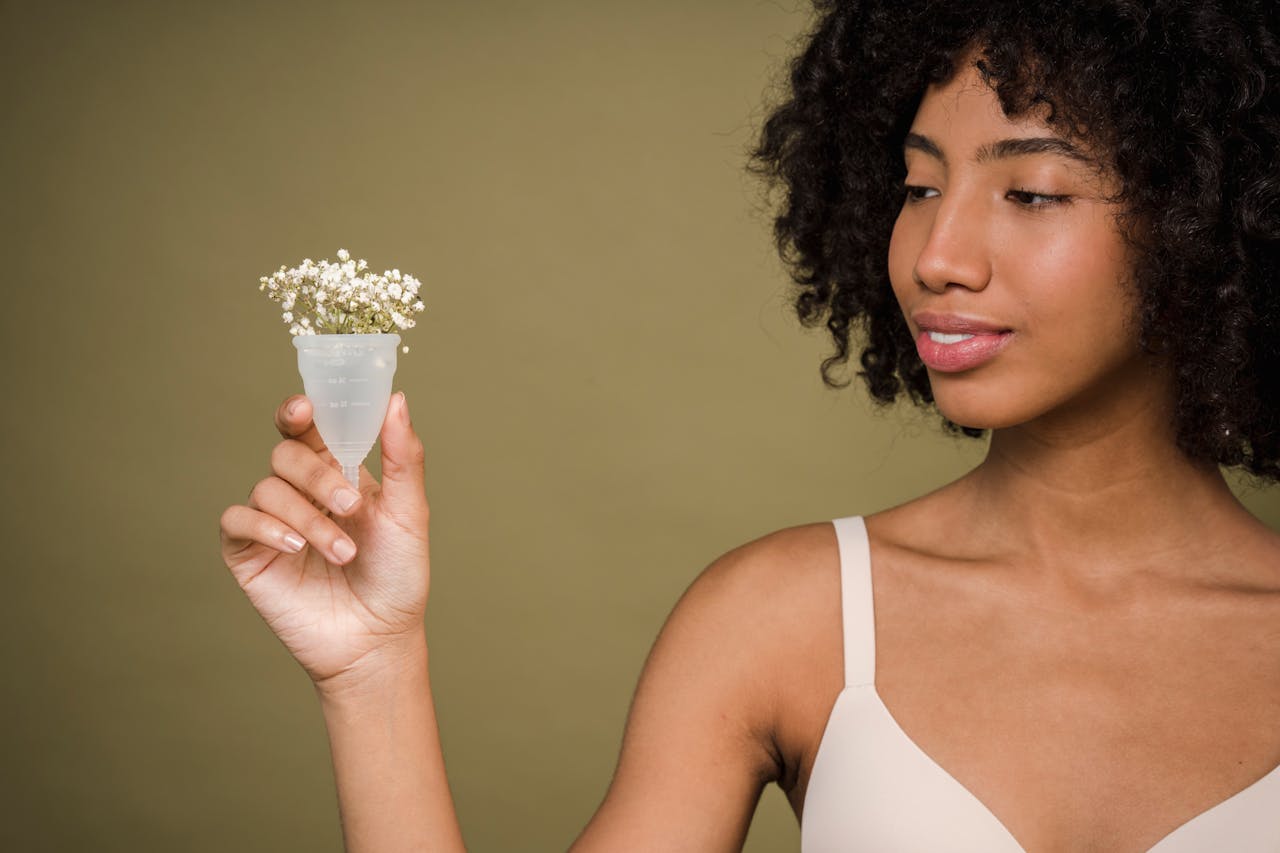
Easily track your period, know when you’re most fertile, and learn more about your body. Start by entering your cycle details below.
Enter Your Cycle Details
Understanding Your Menstrual Cycle
Menstrual Phase
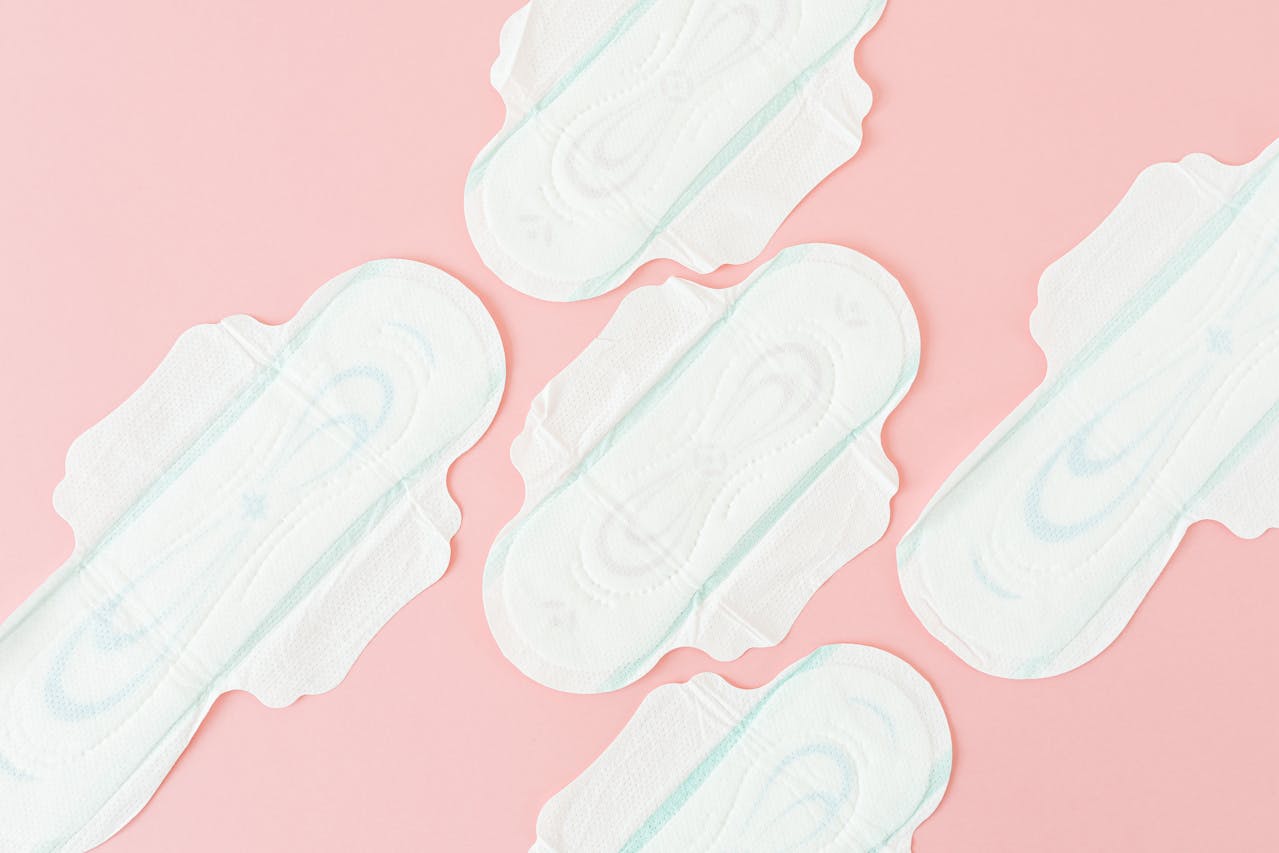
This is when your period starts. Blood comes out because the body is removing the old lining of the womb. It lasts around 3 to 7 days. Hormones are low, and you might feel tired or have cramps. This is the first stage of the cycle.
Follicular Phase
This phase also starts on the first day of your period. The body sends a hormone that tells the ovaries to grow small sacs called follicles. One follicle grows the egg. The womb lining starts getting thicker to prepare for pregnancy.
Ovulation
Around the middle of your cycle, a strong hormone makes the egg come out of the ovary. The egg moves into the fallopian tube and waits to be fertilized. This is the time you can get pregnant most easily. It lasts 1 to 2 days.
Luteal Phase
After ovulation, the empty follicle becomes the corpus luteum. It releases a hormone that keeps the womb ready for pregnancy. If there is no pregnancy, the hormone drops, the lining breaks, and your period starts again.
Cycle by Isaiah FAQs
Everything you need to know about tracking your menstrual cycle
Cycle Basics
A typical menstrual cycle ranges from 21 to 35 days, with the average being 28 days. Your cycle length is counted from the first day of your period to the day before your next period starts.
- Menstrual Phase: Shedding of uterine lining (3-7 days)
- Follicular Phase: Follicle development (days 1-13)
- Ovulation: Egg release (day 14 in 28-day cycle)
- Luteal Phase: Post-ovulation until next period (10-16 days)
Tracking Questions
Our predictions are based on standard cycle calculations, but individual variations occur. Factors like stress, illness, travel, or lifestyle changes can affect your cycle. About 70% of cycles vary by ±3 days from predictions.
Note: This tool is not a substitute for medical advice.
Your fertile window typically includes:
- 5 days before ovulation (sperm can survive this long)
- The day of ovulation (12-24 hour egg lifespan)
- 1 day after ovulation (rarely)
For a 28-day cycle, this is usually days 9-15.
Health & Concerns
Consult a healthcare provider if you experience:
- Cycles shorter than 21 days or longer than 35 days
- Severe pain that disrupts daily activities
- Bleeding between periods or after sex
- Periods lasting more than 7 days
- Sudden changes in your cycle pattern
No. The calendar method alone has a 24% typical failure rate. Ovulation can vary unexpectedly due to many factors. For reliable contraception, consider:
- Barrier methods (condoms)
- Hormonal birth control
- IUDs
- Consultation with a healthcare provider
Using This Tool
For best results:
- Update your period start date each cycle
- Adjust cycle length after tracking 3-6 months
- Note any significant changes in symptoms
The more data you provide, the more accurate predictions become.
Yes! All your information is stored locally in your browser. We don't collect, store, or transmit any of your personal health data to servers.
For complete privacy, use private browsing mode if sharing your device.